
The connection of user experience design and disability support
During my years as a disability support worker, several critical moments shaped how I understand people with disabilities and how to support them effectively. Long before I studied UX, I was already practising it. Breaking tasks into their smallest parts, trialling strategies with a team, and catching myself assuming I knew what participation was supposed to look like. The language came later. The practice came first.
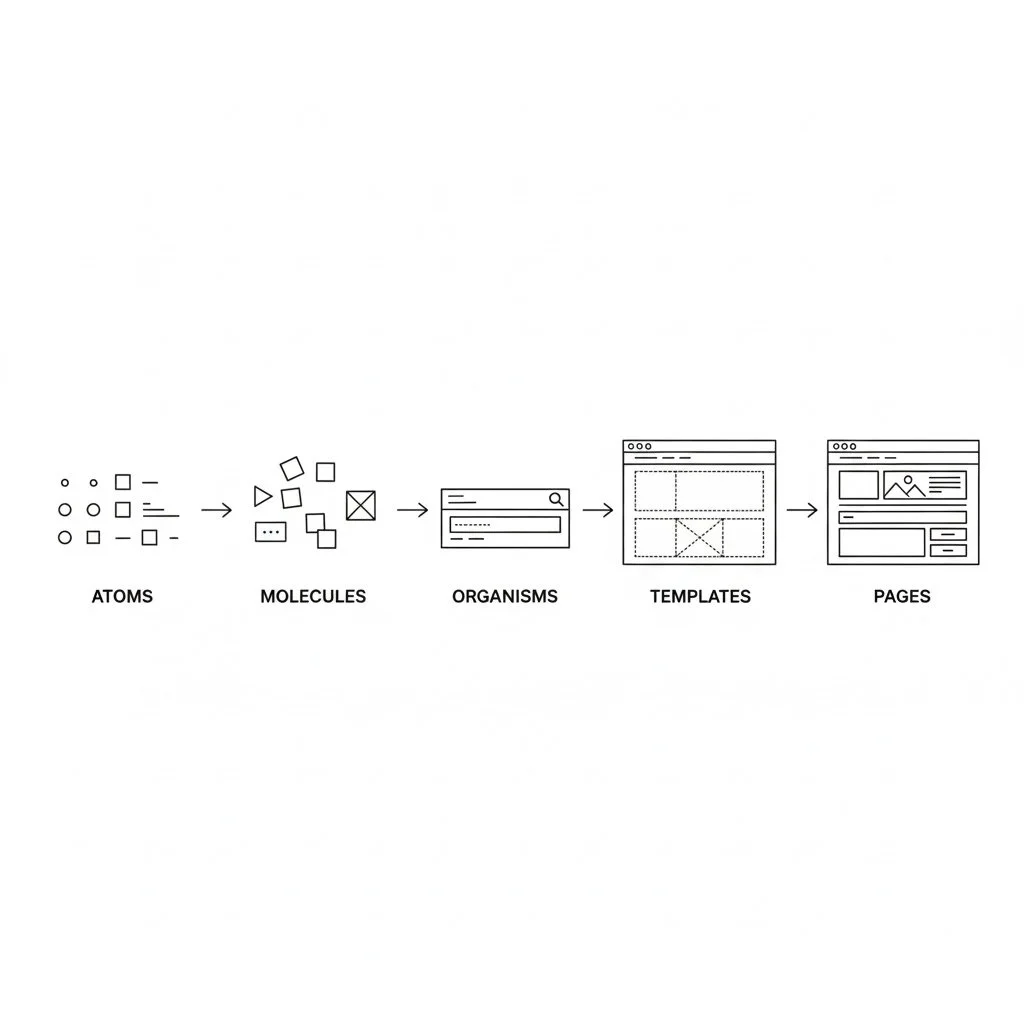
UX Principals in Disability Support Work
The first important realization was learning to break activities down into their smallest components. Later, when I studied UX design, I discovered this approach had a name. It's called Atomic Design principles.
One day, an occupational therapist (OT) was working with a client I regularly supported. While observing, I asked how they approached tasks differently.
The OT used cooking as an example. She broke down something as simple as making hot water with a kettle. First you fill it with water. Then you carry it to the base. You position it correctly. Then you turn it on. I suddenly realized how many steps I'd forgotten existed because they'd become automatic to me. I'd gone blind to the complexity hidden in 'simple' tasks.
Since then, I've focused on these small steps. Whenever someone faces difficulty, I break the process down and build it back up one layer at a time, helping them develop the skills and confidence to complete the full action.
This breaking-down process led to another realization: there are many ways for people with disabilities to participate in activities, not just one "correct" way.
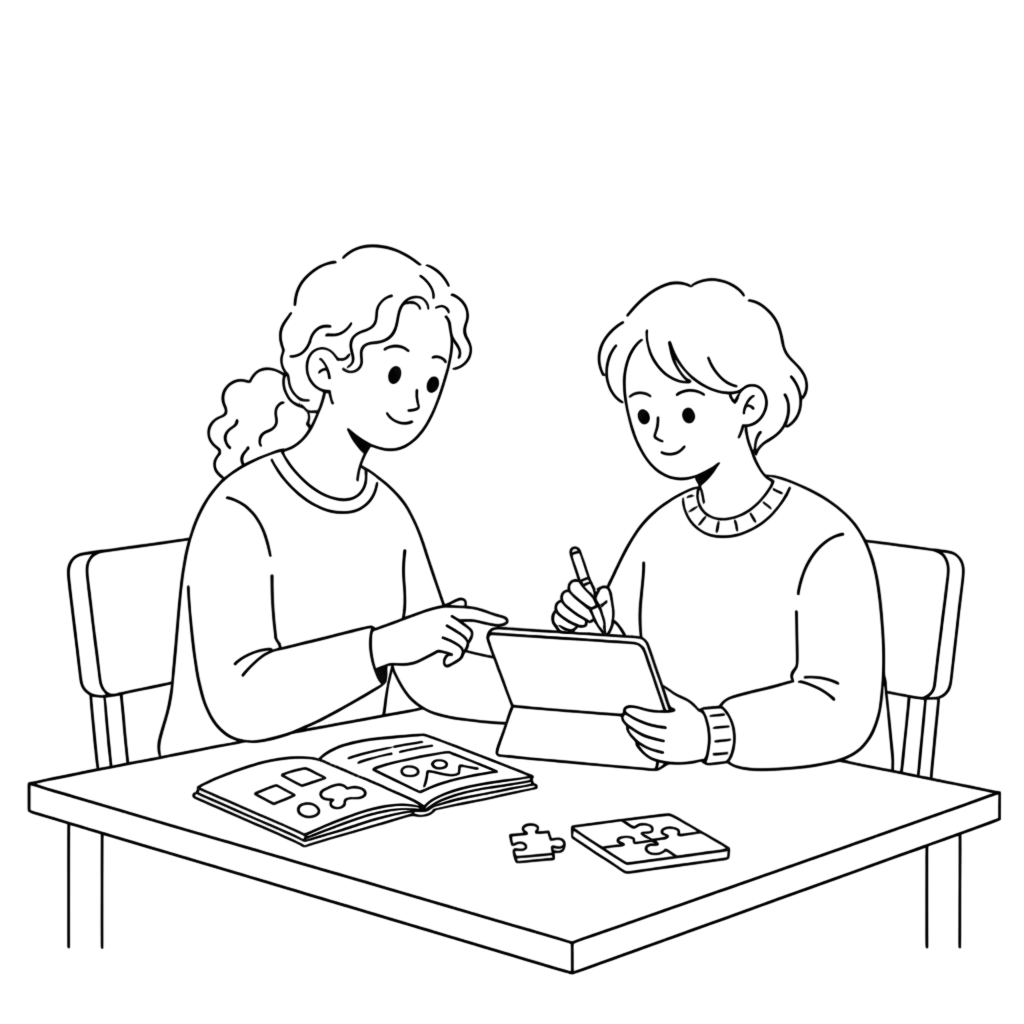
Test. Adjust. Try again
In disability support, no one operates alone. Support workers, behavior support practitioners, and family members all bring different observations to the table. Together we'd analyse what was working, share what we'd each noticed, and shape a strategy. This meant shifting from negative reinforcement toward positive, finding what actually motivated this person rather than applying a generic rule.
Then came the testing. A new approach would be introduced carefully, and we'd watch for days, sometimes weeks, to see how the person responded. For one client, this meant noticing their specific interests and using Claude AI to create a personalised word search built around those interests, then observing whether it held their focus for longer than a generic activity would. We'd regroup, adjust, and try again. I didn't call it prototyping then. But that's exactly what it was.
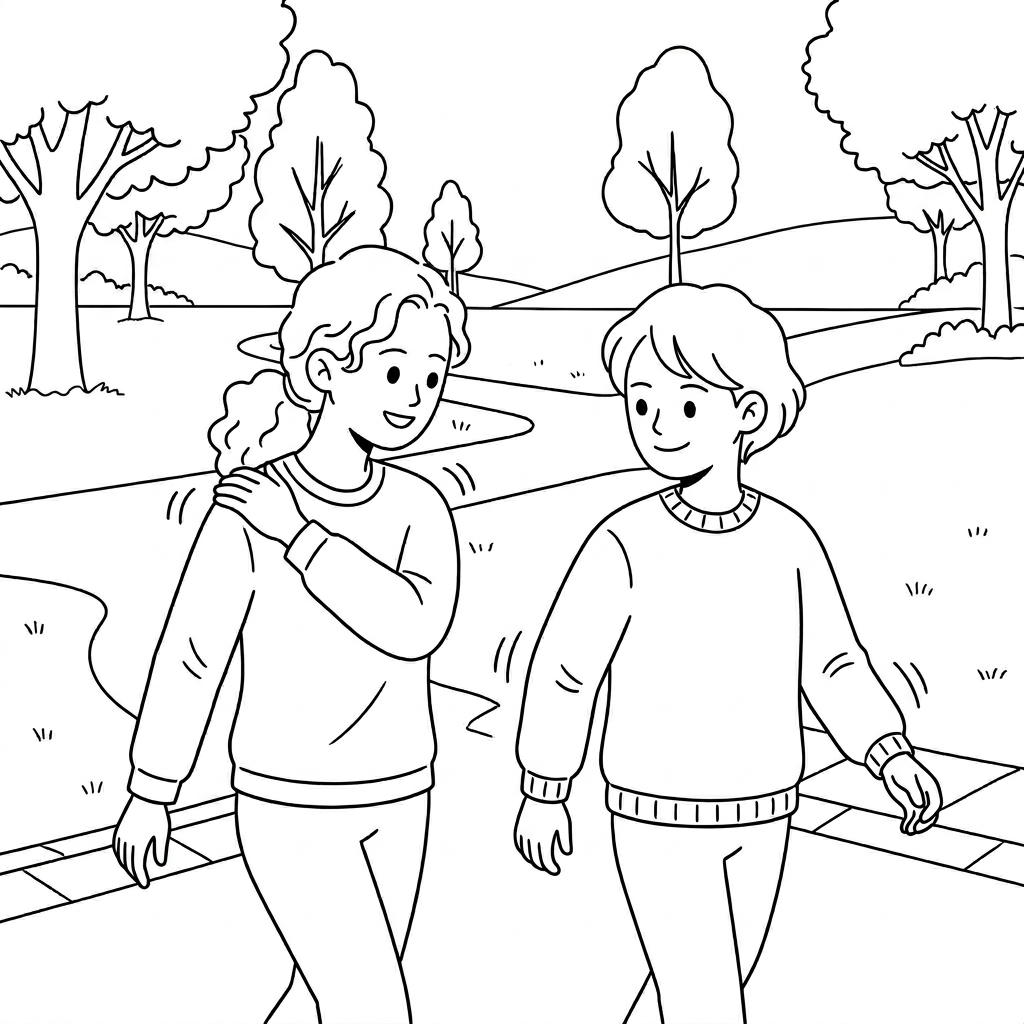
The assumption I didn't know I held
I used to think participation meant doing things the same way as everyone else. I didn't realise I held that assumption until it was challenged.
One day, a person with a disability joined our exercise group. They didn't follow the instructor. They moved differently, engaged on their own terms. My instinct was to wonder if the client were really "participating." But then I caught myself. The person showed up, they were present, they were part of the group. That was their way in.
That moment shifted something in me. I stopped measuring participation against a single standard and started asking myself a new question. What does engagement actually look like for this person? It's the same question I now bring to UX research. I resist the assumption that users should behave a certain way, and instead watch closely for what they're actually doing and why.
I stopped asking "why do they struggle with this?" and started asking "what's making this hard?" I learned that there is no single correct way to participate. People engage differently, and that's not a problem to fix. That's something to design for. Before I knew what UX was, I was already practicing it.