Why Is No One Using the Green Bench?
Autoethnography research February 2026
What’s going on?
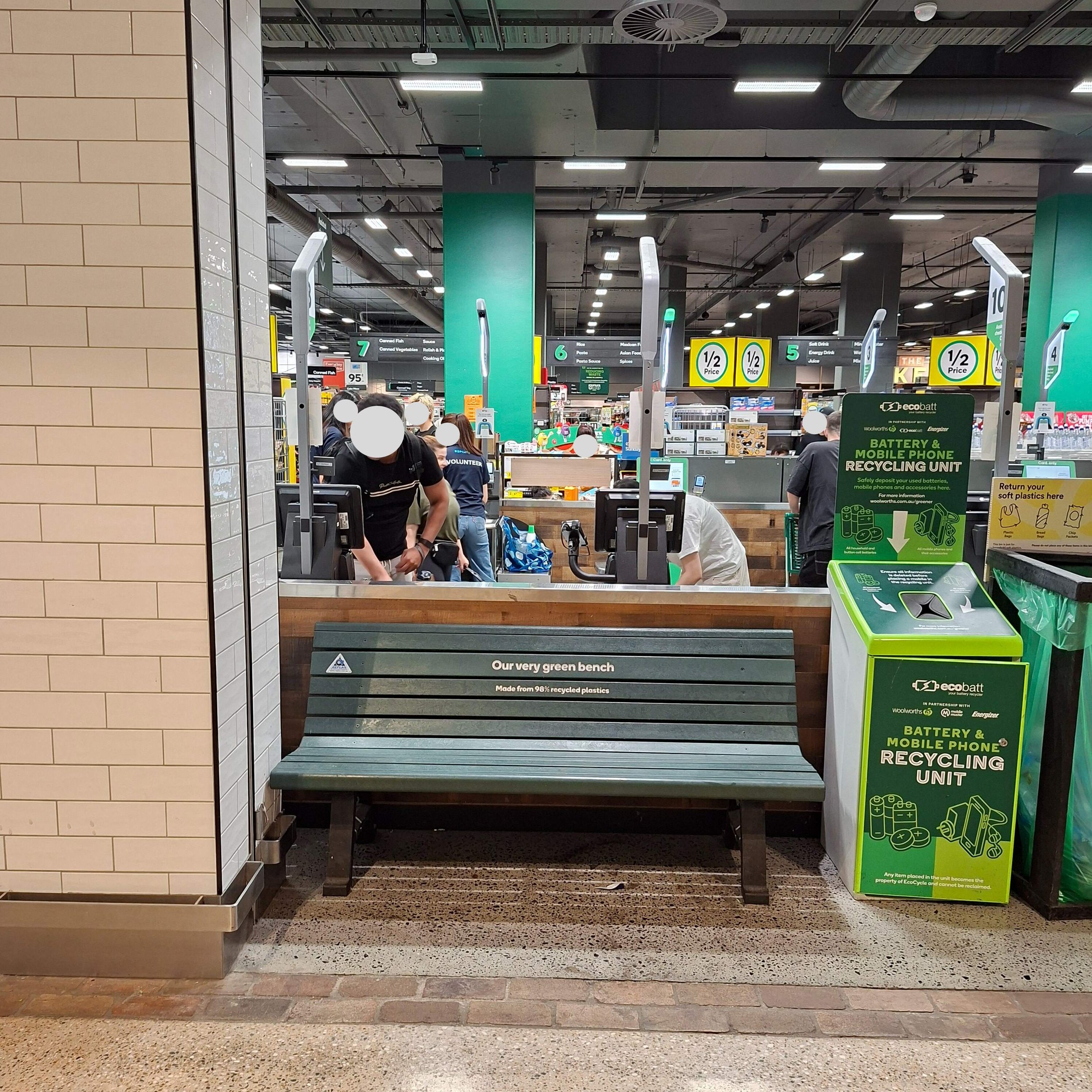
One day at my local Woolworths, I noticed a green bench made from recycled plastic in front of the store. It's a great reminder to recycle resources as much as possible.
However, I spent about 15 minutes observing it while waiting for my friend to finish grocery shopping. During that time, about 10 customers passed by after their shopping, but not a single person used the bench. In fact, every time I visit this store, I've never seen anyone sitting on it. I regularly come here once a week, for more than 3 months, because I go to a gym nearby. I decided to use my UX skills to understand why.
Observation
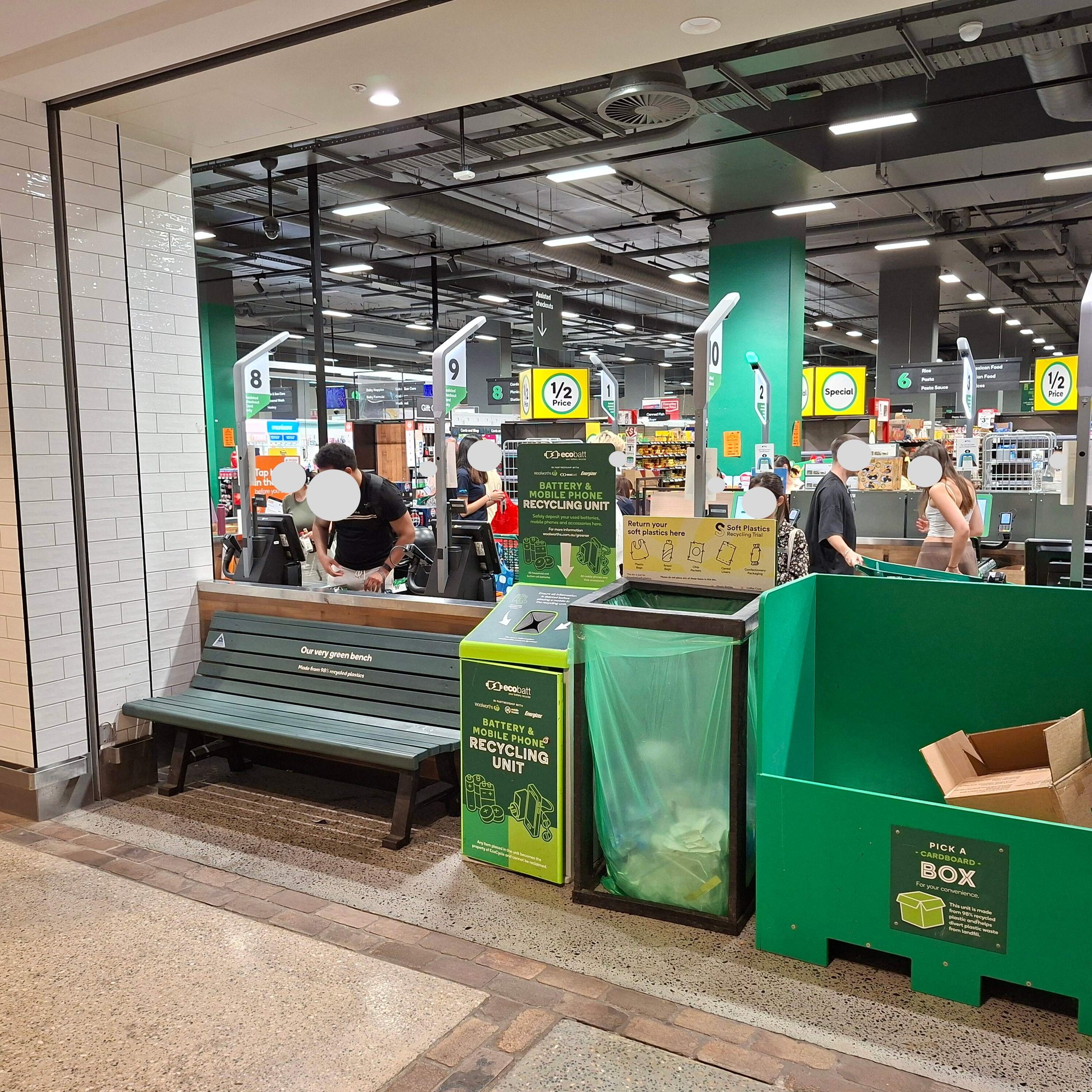
There are a few reasons why the bench isn't functioning as intended.
The first issue was comfort. On my visits, the recycling bin nearby had a noticeable smell, something that would likely discourage sitting for most people.
The second issue was direction. The bench faces the wrong way. Most people who would use it are waiting for family or friends to finish shopping. Waiting while facing away from the store entrance feels psychologically uncomfortable. You can't see when your person is coming out.
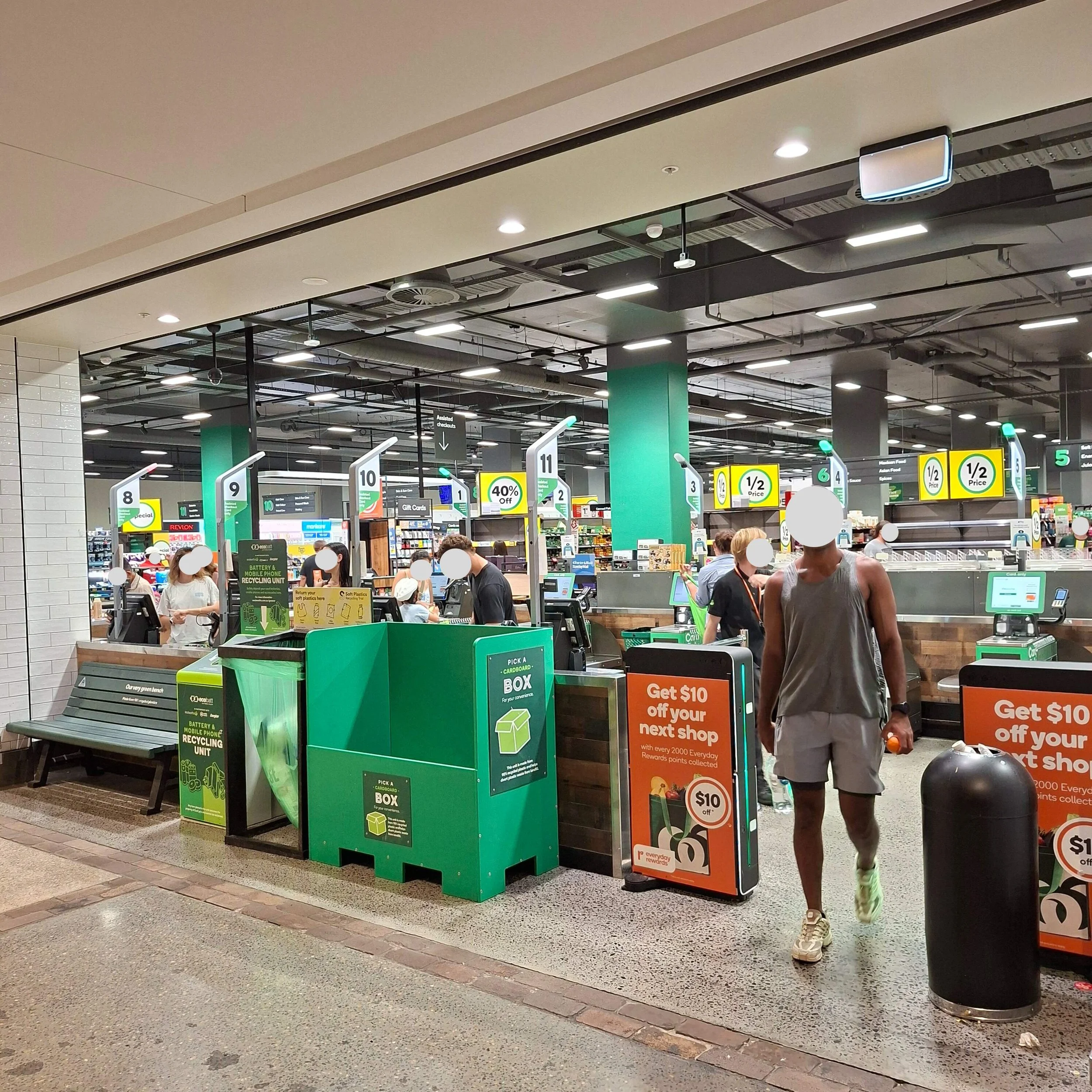
The third issue was personal space. The bench is positioned close to the self-checkout area. Having strangers working on their groceries right behind your head creates an awkward, uncomfortable situation.
The fourth issue was user flow. Customers flow out from the self-checkout exit, and the shopping centre's main entrance is located on the same side as this exit door. This means people finishing their shopping walk straight toward the shopping centre entrance without even looking at the bench.
The fifth issue was visibility. The area is cluttered, and the bench is positioned between large objects like a column and recycling bins, making it hard to spot. The green Woolworths brand color is also used on many objects throughout the store, which causes the bench to blend into the background.
Business Impact
First, it wastes valuable retail space near the entrance that could otherwise be used for product displays, promotional signage, or improved customer flow.
Second, Woolworths invested in this bench to demonstrate their commitment to sustainability. If no one uses or notices it, though, the message is lost, turning a marketing opportunity into a missed initiative.
Solutions
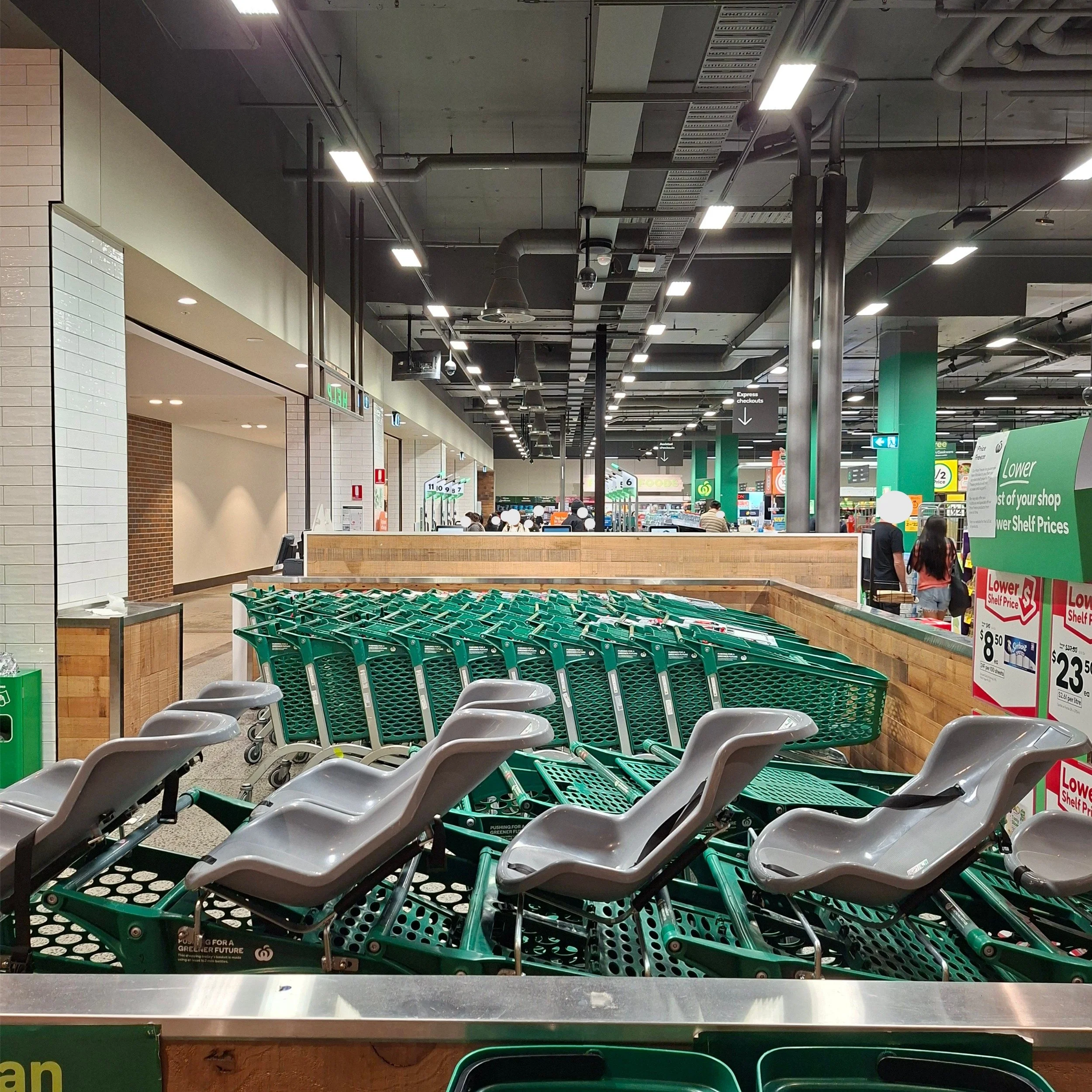
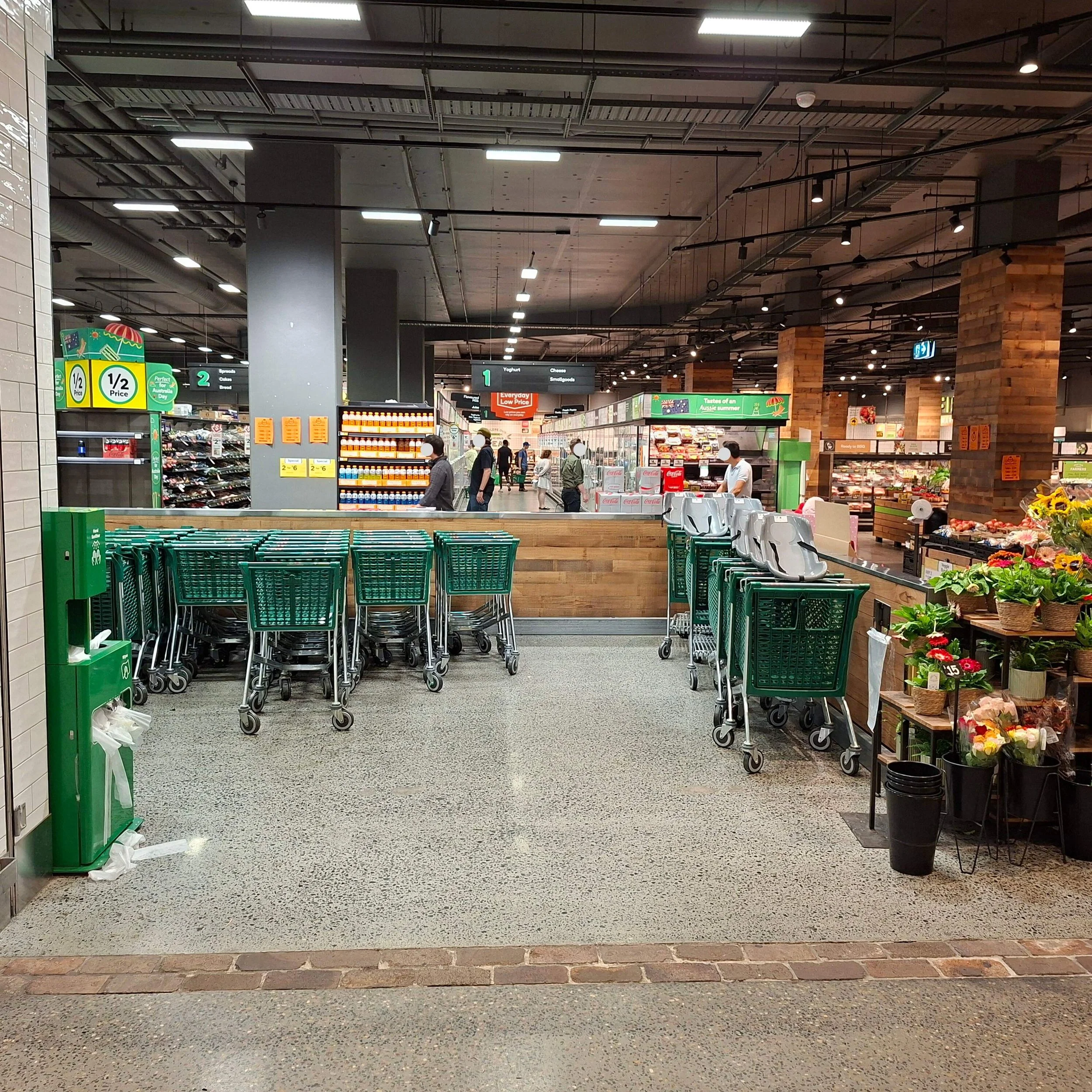
I looked around to identify a better spot for the bench. I noticed the green bench was designed to be stored behind the roller door when the store closes, so most available spaces were already occupied by the flower section or shopping cart areas.
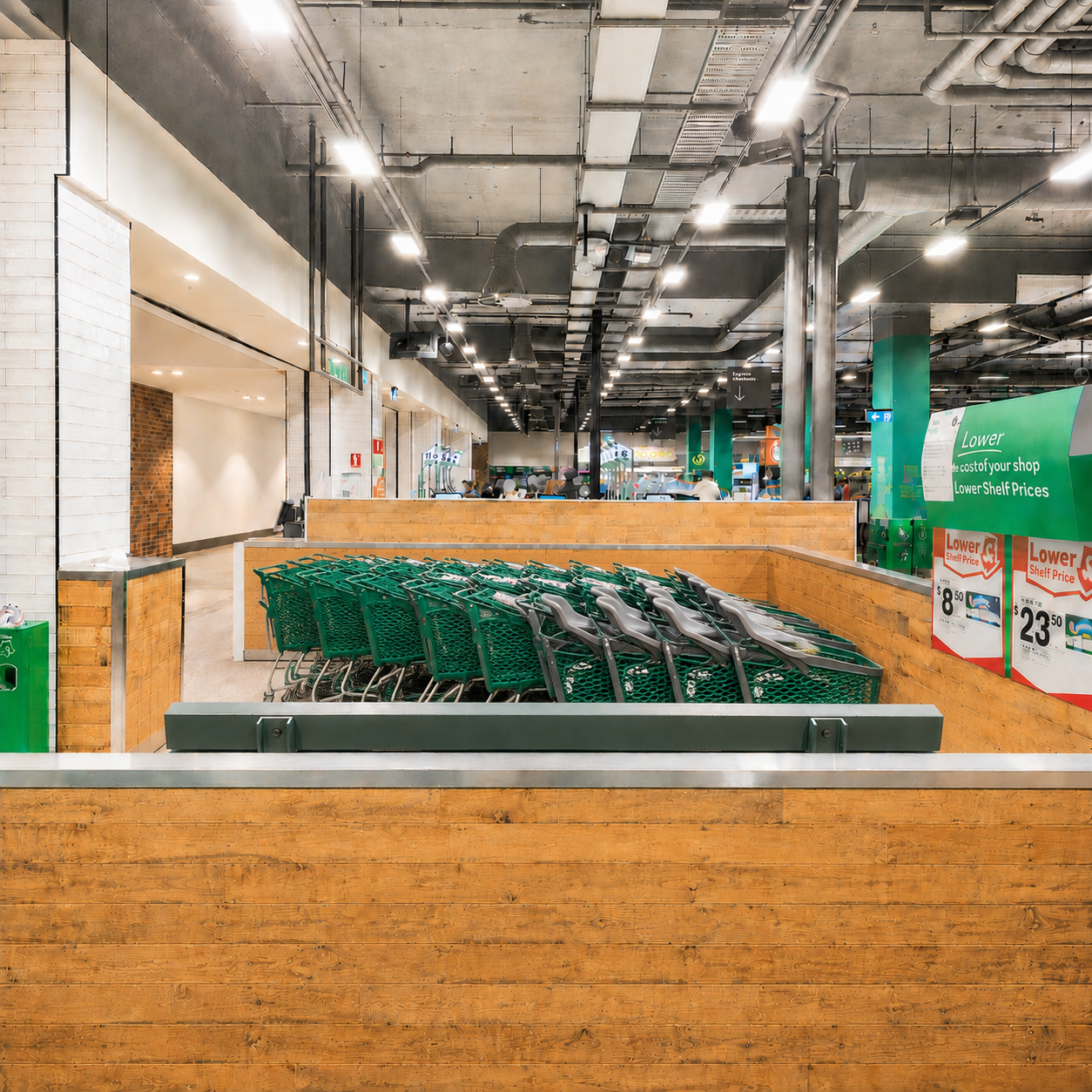
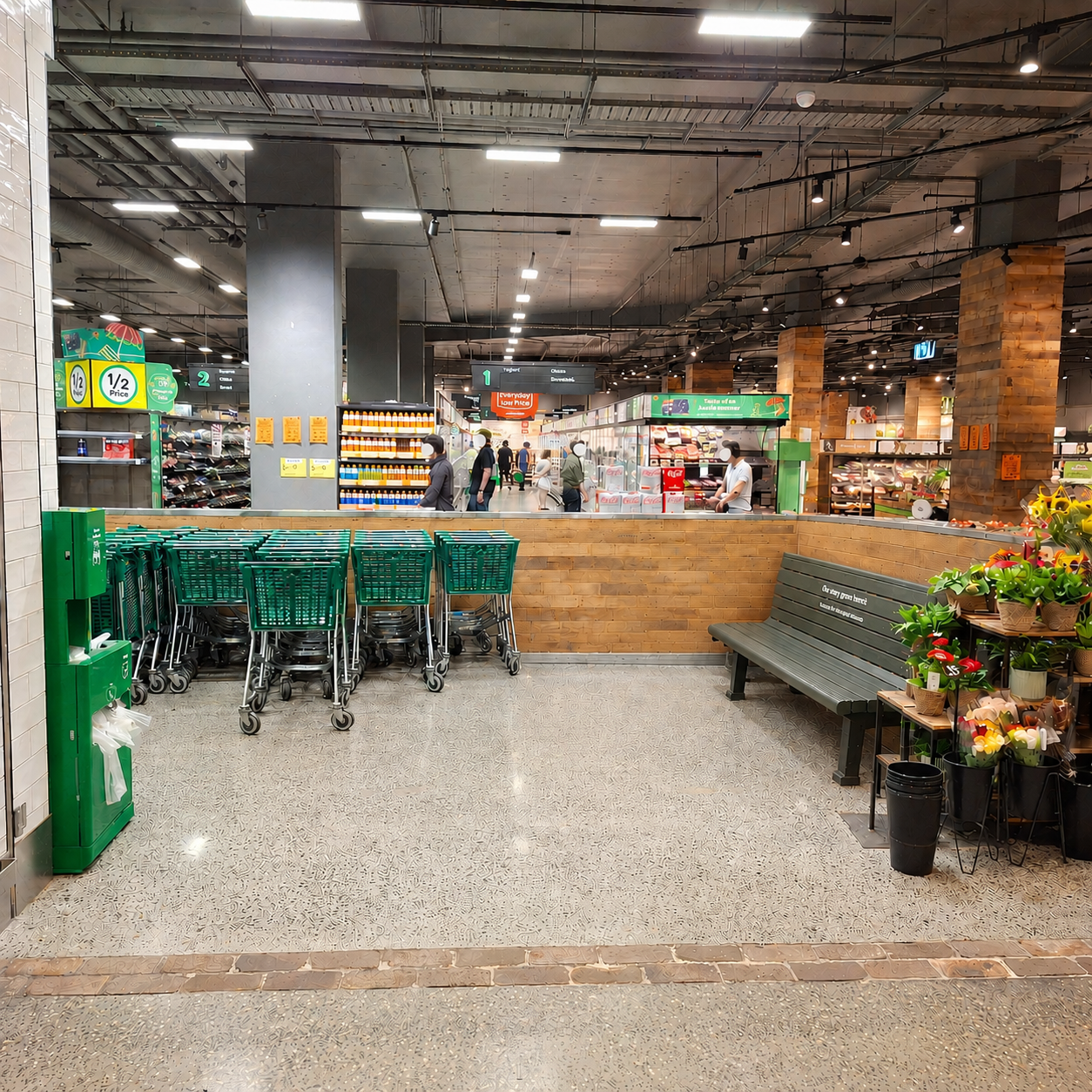
However, one corner of the shopping cart return area could potentially be repurposed, and I wanted to test how this new location would work. So to prototype the spatial solution quickly, I combined field photography with AI-assisted image generation to visualize the proposed layout before any physical changes were made.
The new location addresses each friction point directly. Facing the checkout area solves the psychological discomfort of waiting without a sightline. Distance from the bins removes the smell issue. Sitting at the natural exit path means customers encounter it organically rather than having to notice it.

Expected Outcomes
Relocating the bench would transform it from wasted space into a functional customer amenity. Shoppers waiting for family or friends would have a comfortable, visible place to sit, improving their overall store experience. This is especially valuable for elderly shoppers who may need to rest while waiting.
The bench would finally serve its intended purpose as a sustainability showcase. Customers would see and use the recycled plastic bench, making Woolworths' environmental commitment visible and easy to remember.
This small change could strengthen brand perception by showing attention to detail and customer needs. Additionally, clearing the current cluttered area near the entrance would improve store flow and create a cleaner, more organized first impression for customers.